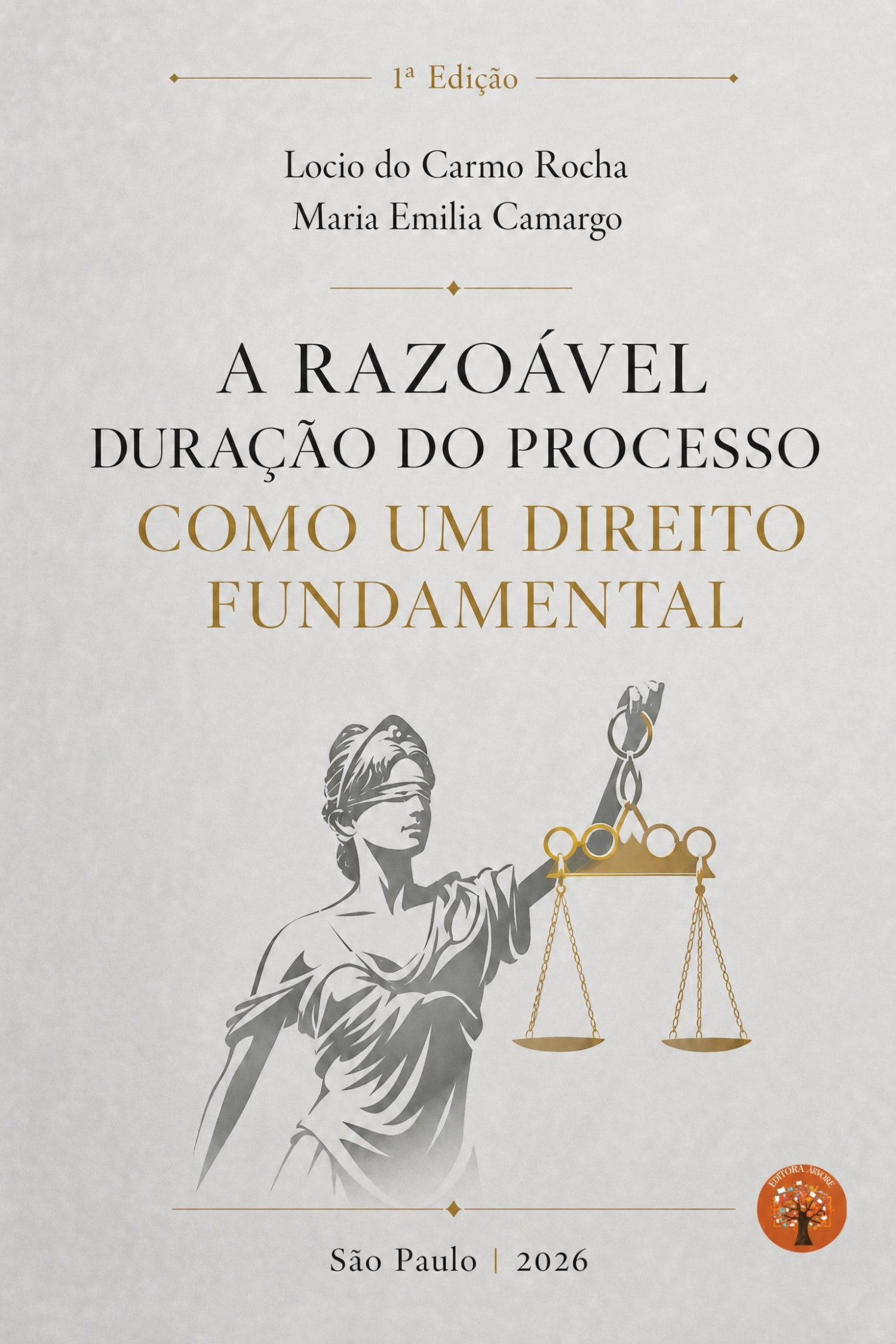
THE REASONABLE DURATION OF PROCEEDINGS AS A FUNDAMENTAL RIGHT
Keywords:
Fundamental rights. Procedural speed. Reasonable duration of the process. Effectiveness of jurisdiction.Abstract
The present essay aims to analyze and discuss the important principle of the Reasonable Duration of the Process, its origin, historical evolution, and the consequences it has brought to the process. It seeks to emphasize the need to discuss the necessary means for applying reasonable duration to the process as a way of granting justice. It addresses the historical evolution of fundamental rights in the Democratic Rule of Law and their importance for achieving procedural speed. Provides a brief report on Fundamental Rights and the principles applicable to the realization of these rights, indicating the principles applicable to the process, without which the achievement of swift justice is unthinkable. It briefly addresses the importance of the inclusion of reasonable length of the process in the 1988 Federal Constitution and on the State's Civil Liability caused by delays in resolving conflicts. It reinforces the need for a temporal judicial provision to ensure the guarantee of the effectiveness of jurisdiction, pointing out the benefits brought to the process by Constitutional Amendment No. 45/2004 and the importance of seeking swift decisions based on decisions made using Urgent and Evident Protective Measures as a way to impart procedural speed. It presents notes on the importance of using the Electronic Judicial Process to grant speedy justice as a way to value the principle responsible for decisions free from slowness in the process, and conciliation as a mechanism for transforming slow justice into effective justice.
Downloads
Downloads
Published
How to Cite
Issue
Section
Categories
License
Atribuição CC BY
