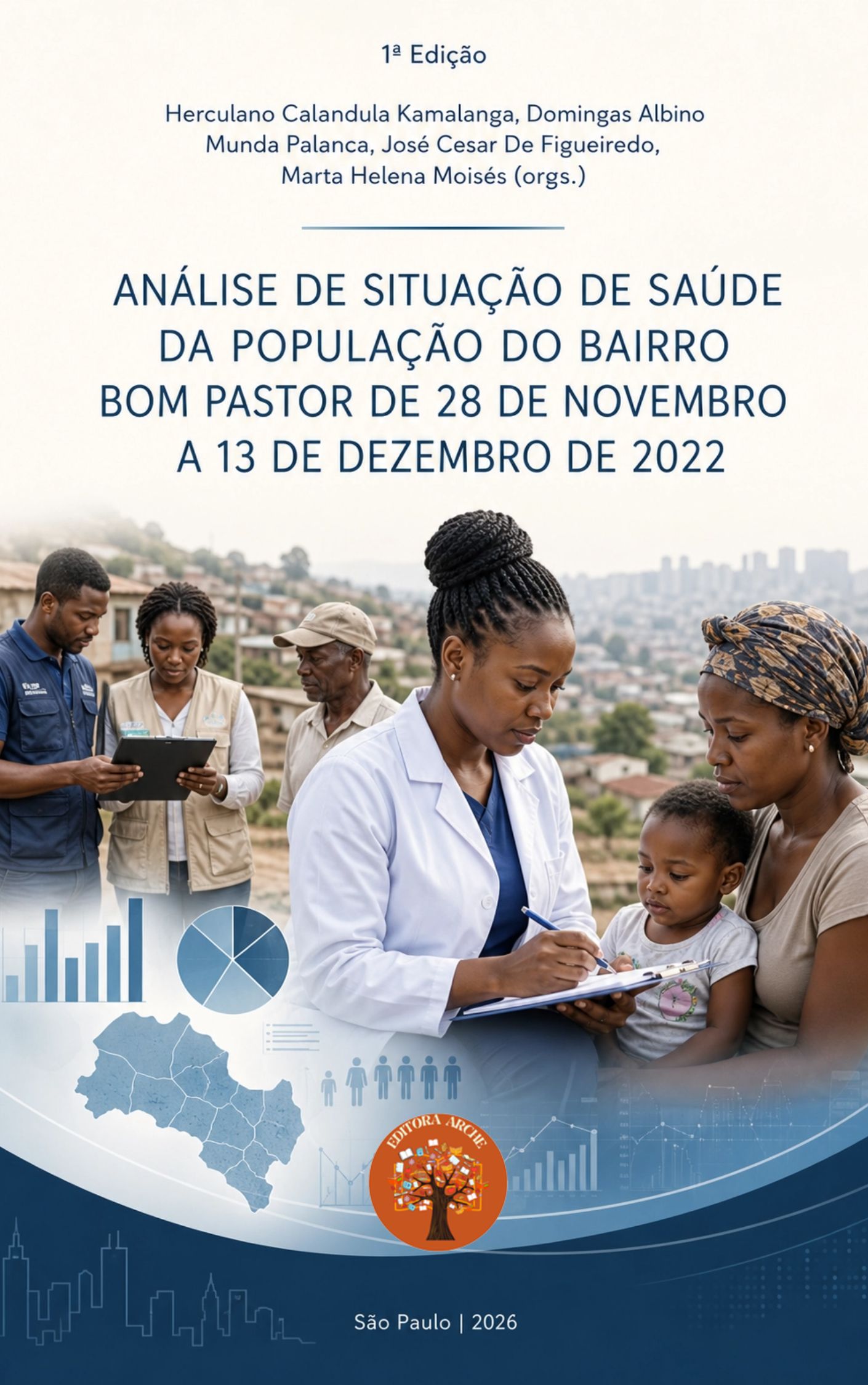
ANÁLISIS DE LA SITUACIÓN SANITARIA DE LA POBLACIÓN DEL BARRIO DE BOM PASTOR DEL 28 DE NOVIEMBRE AL 13 DE DICIEMBRE DE 2022
Resumen
La salud y la enfermedad siempre han sido parte de la realidad y las preocupaciones humanas a lo largo de la historia. El enfoque epidemiológico enfatiza la identificación de problemas en grupos poblacionales, basándose en la caracterización de las condiciones ecológicas (relación agente-huésped-ambiente) o las condiciones socioeconómicas y culturales de los diversos grupos. Este trabajo se realizó en el barrio Bom Pastor, en el municipio de Huambo, ubicado al norte de la ciudad, con el objetivo de elaborar un análisis de la situación de salud de la comunidad de Bom Pastor durante el período del 28 de noviembre al 13 de diciembre. Se trata de un estudio descriptivo con un enfoque cualitativo-cuantitativo. El método empleado fue la aplicación de un cuestionario a todas las familias visitadas. Para identificar los determinantes, riesgos y daños a la salud, se utilizó el método de observación directa basado en las características higiénico-sanitarias de las viviendas, como se describe a continuación: presencia de basura en el patio, presencia de desechos líquidos, índice de hacinamiento, presencia de animales domésticos, nivel educativo de los miembros de la familia, así como el nivel de comprensión de las familias sobre el cuidado higiénico-sanitario. Las variables se agruparon en demográficas, clínicas e higiénicas-sanitarias. Los principales problemas de salud se relacionan principalmente con determinantes como el estilo de vida, el entorno y la organización de los servicios de salud. La población es cada vez más joven, con un número muy reducido de personas mayores, y este grupo social es el más expuesto a riesgos y el más afectado por las diversas enfermedades que predominan en él; sin embargo, se debe prestar especial atención a los niños debido a su vulnerabilidad.
Descargas
Descargas
Publicado
Cómo citar
Licencia
Atribuição CC BY
