OBSTETRIC NURSE CARE PRACTICES IN HUMANIZED CHILDBIRTH FROM THE PERPECTIVE OF PUBLIC HEALTH POLICIES
DOI:
https://doi.org/10.51891/rease.v2i02.20227Keywords:
Obstetric Nursing. Humanizing Delivery. Public Policy.Abstract
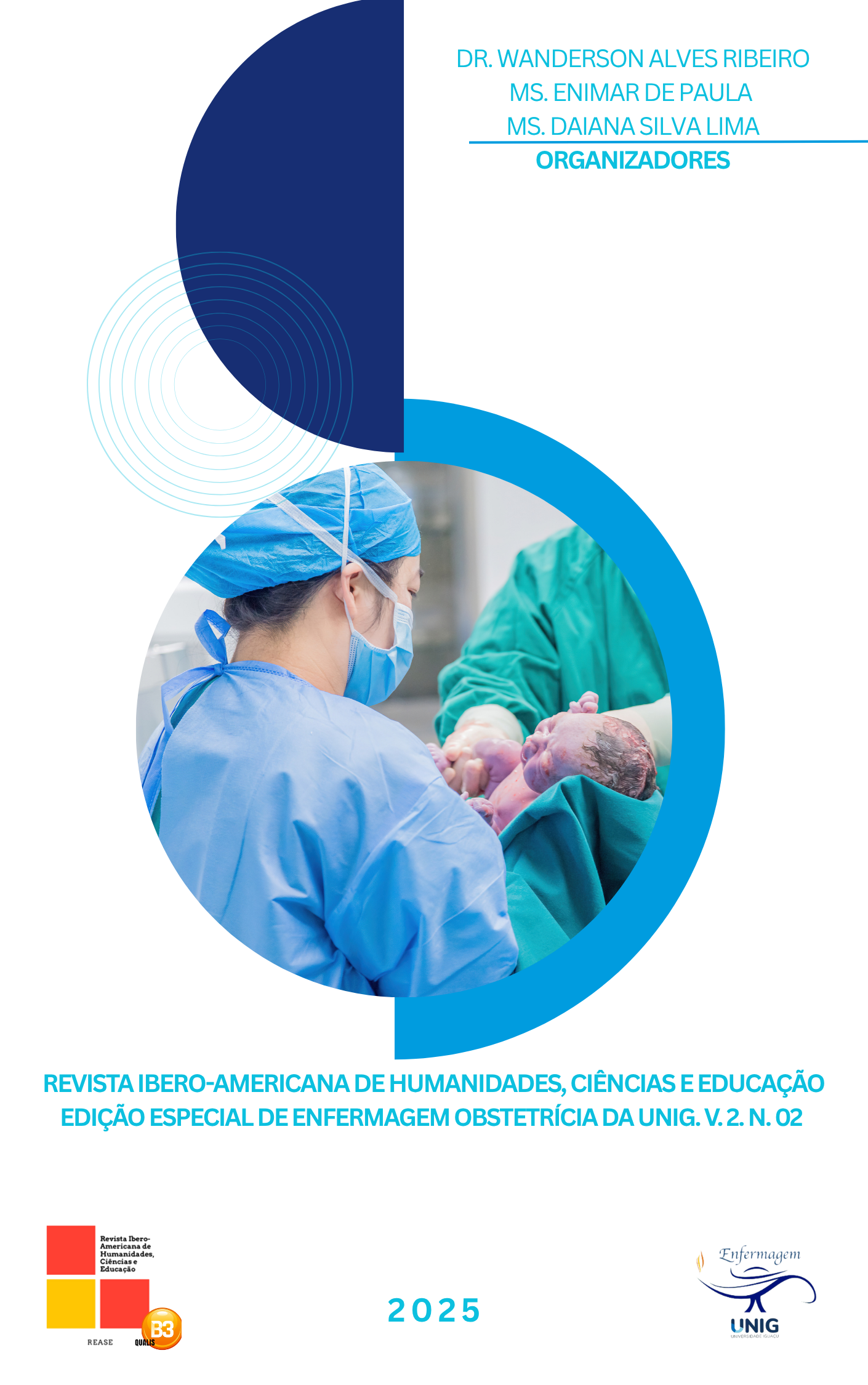
Introduction: Obstetric Nursing is gaining more and more space in Brazil, but it was not always like this. In the past, births were carried out in a different way from what is known today, they took place at home and were carried out by midwives known to the women in labor. In other words, birth was a moment that only included the female experience. With the institutionalization of birth care, interventionist practices to initiate, accelerate, adapt and monitor have been carried out by doctors. Given this, there was a movement, around the 1980s, that sought to humanize the practice of childbirth, ensuring natural development and protecting the individual needs of each woman. Obstetric Nursing mainly helps to guarantee the woman’s autonomy in choosing the professional who will carry out prenatal care until the delivery route of her choice. Objective: To analyze the care practices of obstetric nurses in humanized birth in light of public health policies in Brazil. Methodology: This is a bibliographical review of a descriptive nature and a qualitative approach, with analysis of scientific literature that leads us to the research object. Analysis and discussion of results: From the verification of material collected for this article, it demonstrates the role of the Obstetric Nurse in the context of humanized birth based on public policy guidelines. It is observed that, with the implementation of programs such as PHPN and Rede Cegonha, there have been advances in valuing the autonomy of these parturient women. The results also show that the presence of the Obstetric Nurse in the birth process contributes to reducing the rates of cesarean sections without inherent need, reducing obstetric violence and strengthening the woman as the sole protagonist of the birth. Conclusion: Humanizing is respecting the individuality of each woman, respecting her socioeconomic, emotional and religious reality. It is understanding that giving birth is a natural and physiological act, and the least amount of external interventions should occur, always being attentive to the complaints of the woman in labor in order to identify possible complications and correct them in time. With this, it is noted that the obstetric nurse is na important professional, trained and with autonomy to carry out humanization care practices during childbirth.
Downloads
Downloads
Published
How to Cite
Issue
Section
Categories
License
Atribuição CC BY
