JUVENTUDE E LUGAR: CIDADANIA, MEIO AMBIENTE E A DIMENSÃO DO AFETO
Palabras clave:
Educação Geográfica. Cidadania Territorial. Pertencimento ao Lugar. Educação Ambiental.Resumen
É com imensa alegria e um sentimento difícil de traduzir em palavras que apresento esta obra. Não se trata apenas de um livro, mas sim da materialização de uma trajetória de dedicação, curiosidade e coragem intelectual que acompanhei de perto. Escrevo esta apresentação como orientador, sim, mas também como alguém que testemunhou, ano após ano, o florescimento de um jovem pesquisador que transformou seus questionamentos iniciais em um trabalho sólido, sensível e necessário.
Conheci Ian Felipe Nascimento quando ele ainda dava seus primeiros passos na pesquisa acadêmica, como bolsista de Iniciação Científica na Universidade Estadual de Santa Cruz. Era um estudante de Geografia como tantos outros, porém, sempre movido por uma curiosidade e pela sede em crescer intelectualmente e profissionalmente.
Mas o que mais me impressiona, e que torna esta apresentação tão significativa, é a forma como Ian construiu sua trajetória. Não houve atalhos. Cada passo foi dado com esforço, com dedicação, com aquele compromisso silencioso de quem sabe que o conhecimento exige tempo e entrega. Ele foi, nos anos de Iniciação Científica, um daqueles alunos que tornam o trabalho de orientar um prazer, não porque tudo era fácil, mas porque ele nunca desistia diante das dificuldades. A pesquisa que hoje se materializa neste livro nasceu ali, naquele período de formação, e foi sendo amadurecida com a paciência de quem entende que as melhores perguntas não se respondem da noite para o dia.
Hoje, Geógrafo Bacharel - UESC, Professor de Geografia ETEP/SP e Especialista em Currículo e Prática Docente [..] UFPI. Está no mestrado na Universidade Federal do Sul da Bahia - UFSB, e posso afirmar com convicção: isso é apenas o começo. O percurso que ele construiu com as próprias mãos, revela não apenas competência técnica, mas uma maturidade acadêmica precoce e uma responsabilidade social que são, infelizmente, cada vez mais raras.
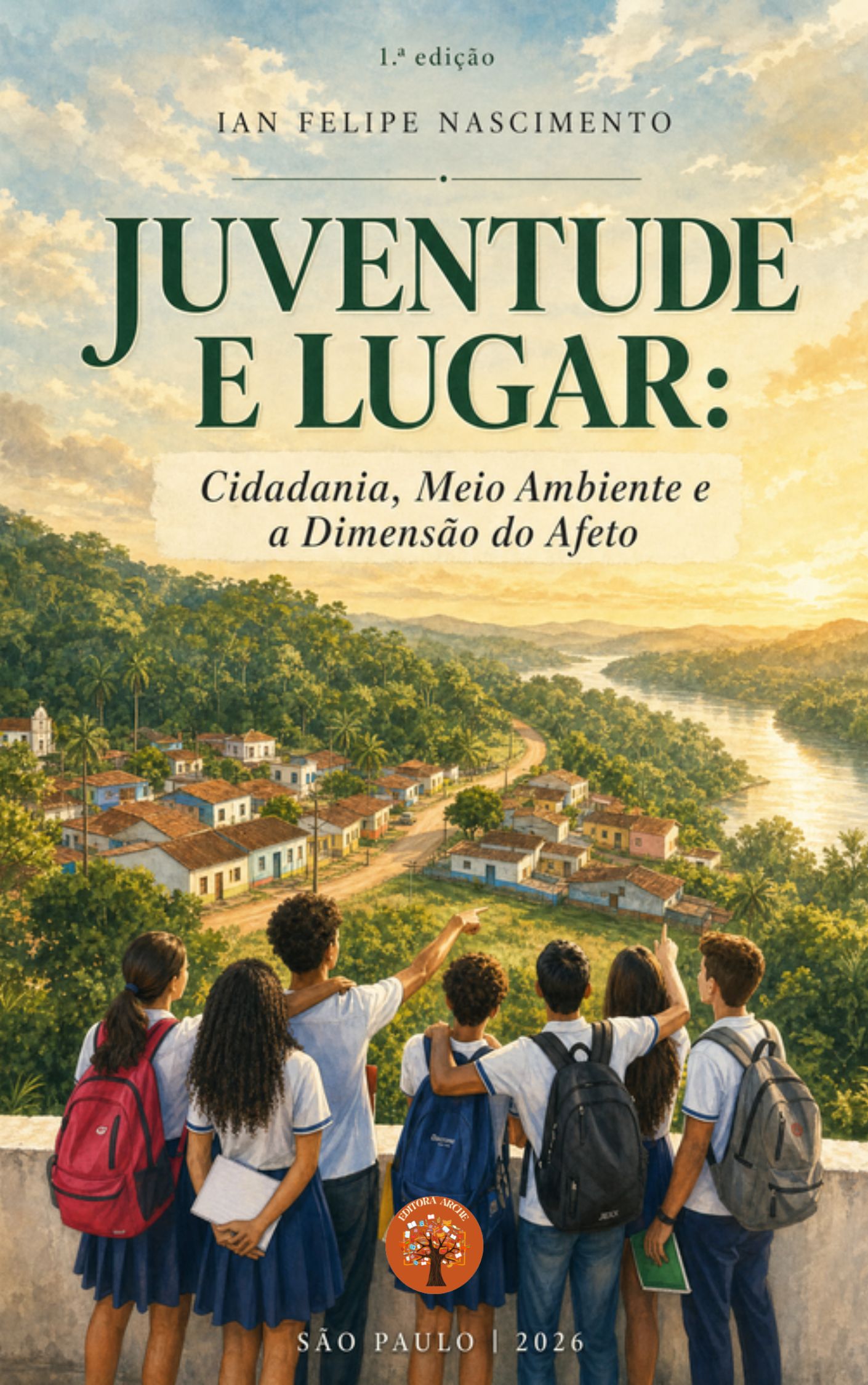
O livro “Juventude e Lugar: Cidadania, Meio Ambiente e a Dimensão do Afeto”, é o resultado direto desse processo de amadurecimento intelectual. A obra investiga, com rigor e sensibilidade, a percepção de alunos do 9º ano de uma escola pública do município de Aurelino Leal, no sul da Bahia, sobre três conceitos fundamentais para a Geografia e para a formação cidadã: o lugar, a cidadania e o meio ambiente.
O que diferencia este estudo é a forma como acontece a articulação entre o empírico e o teórico. De um lado, há um trabalho de campo minucioso, com instrumentos bem desenhados e uma escuta genuína dos jovens entrevistados. De outro, há uma base teórica consistente, que dialoga com a Teoria da Ação Comunicativa de Jürgen Habermas e com autores centrais do pensamento geográfico e social, como Yi-Fu Tuan (com sua concepção de topofilia e afetividade com o lugar), Milton Santos (com sua leitura crítica do espaço como instância social) e Henri Lefebvre (com sua análise do direito à cidade e da produção do espaço).
A escolha desse arcabouço teórico não é acidental: ela revela a preocupação do autor em compreender a juventude não como objeto passivo de políticas públicas, mas como sujeito ativo na construção de sua relação com o mundo.
O livro não se limita a diagnosticar o problema: ele propõe uma reflexão sobre o papel da educação geográfica na formação de uma cidadania territorial ativa, crítica e comprometida com o meio ambiente. A obra articula, de forma original, a geografia escolar com a educação para a cidadania, mostrando que o espaço vivido é o ponto de partida para a compreensão dos direitos e deveres que nos constituem como sujeitos políticos.
Ao encerrar esta apresentação, olho para o livro que agora vai para as mãos dos leitores e vejo nele não apenas o resultado de um trabalho acadêmico, mas a promessa de uma carreira brilhante que está apenas começando.
Convido você, leitor, a mergulhar nesta obra com a mesma curiosidade e generosidade com que seu autor a escreveu. Que as páginas que se seguem inspirem novas perguntas, novos olhares e, sobretudo, uma compreensão mais profunda do que significa ser jovem, ser cidadão e pertencer a um lugar.
Professor Fábio Massena
Orientador da pesquisa
Professor da Universidade Estadual de Santa Cruz (UESC)
Descargas
Descargas
Publicado
Cómo citar
Licencia
Atribuição CC BY
