INTELIGÊNCIA POLICIAL E SISTEMA PRISIONAL: FLUXOS INFORMACIONAIS E PREVENÇÃO DE CRIMES INTRA E EXTRAMUROS
Palabras clave:
Inteligência policial. Sistema prisional. Fluxos informacionais.Resumen
A segurança pública contemporânea enfrenta desafios cada vez mais complexos, especialmente diante da atuação estruturada de organizações criminosas que operam de forma articulada dentro e fora do sistema prisional. Nesse cenário, o ambiente carcerário deixa de ser apenas um espaço destinado à custódia de indivíduos privados de liberdade e passa a desempenhar papel relevante na dinâmica criminal, funcionando, muitas vezes, como ponto de convergência de informações, decisões e estratégias ilícitas.
A atuação dessas organizações evidencia que o sistema prisional não se limita ao controle interno da população carcerária, mas se conecta diretamente com práticas criminosas que se projetam para além dos muros das unidades prisionais. Dessa forma, torna-se imprescindível compreender como as informações produzidas, coletadas e compartilhadas nesse ambiente podem subsidiar ações de prevenção e repressão qualificada por parte dos órgãos de segurança pública.
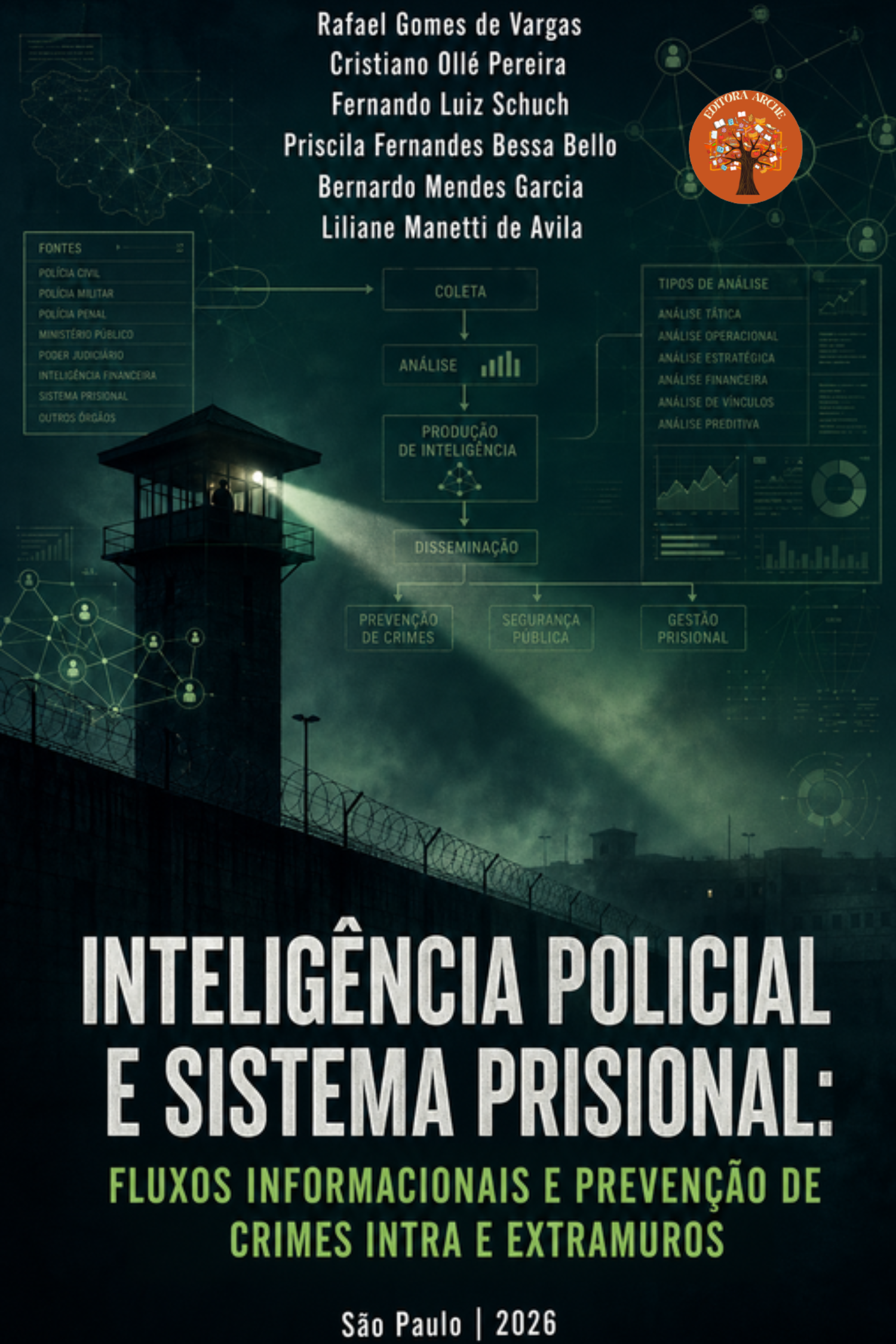
Nesse contexto, a inteligência policial assume papel estratégico, sendo responsável pela produção de conhecimento a partir da análise sistematizada de dados e informações relevantes. A atividade de inteligência não se restringe à coleta de dados, mas envolve processos estruturados de interpretação e disseminação de informações que auxiliam na tomada de decisão, permitindo antecipar ameaças e orientar intervenções mais eficazes.
Entretanto, a efetividade da inteligência policial está diretamente relacionada à qualidade e à circulação das informações disponíveis. No âmbito do sistema prisional, os fluxos informacionais podem apresentar limitações decorrentes de fatores estruturais, organizacionais e culturais, o que impacta a capacidade de identificação de riscos e de prevenção de crimes, tanto no interior das unidades quanto no meio externo.
Diante desse cenário, surge a necessidade de analisar de que forma a gestão dos fluxos informacionais no sistema prisional influência a atuação da inteligência policial, especialmente no que se refere à prevenção de crimes intra e extramuros. A compreensão dessa relação possibilita identificar fragilidades e potencialidades no processo de produção do conhecimento de inteligência, contribuindo para o aprimoramento das práticas institucionais.
O presente trabalho tem como objetivo geral analisar a influência dos fluxos informacionais no sistema prisional sobre a atuação da inteligência policial na prevenção de crimes. Como objetivos específicos, busca-se examinar os fundamentos da inteligência policial, compreender a dinâmica informacional no ambiente prisional, identificar os principais entraves na circulação de informações e avaliar a contribuição da gestão informacional para a antecipação de práticas criminosas.
A pesquisa será desenvolvida por meio de revisão bibliográfica, com base em obras, artigos científicos e documentos institucionais relacionados à temática, permitindo a construção de um referencial teórico consistente e alinhado às exigências acadêmicas. A escolha desse método possibilita a análise crítica de diferentes perspectivas sobre o tema, contribuindo para a sistematização do conhecimento existente.
Por fim, destaca-se que o estudo se justifica pela relevância do tema no contexto da segurança pública, sobretudo diante da necessidade de integração entre os órgãos responsáveis pela gestão prisional e pela atividade de inteligência. A produção de conhecimento sobre os fluxos informacionais nesse ambiente pode contribuir para o fortalecimento das estratégias de prevenção criminal e para o desenvolvimento de políticas públicas mais eficazes.
Descargas
Descargas
Publicado
Cómo citar
Licencia
Atribuição CC BY
