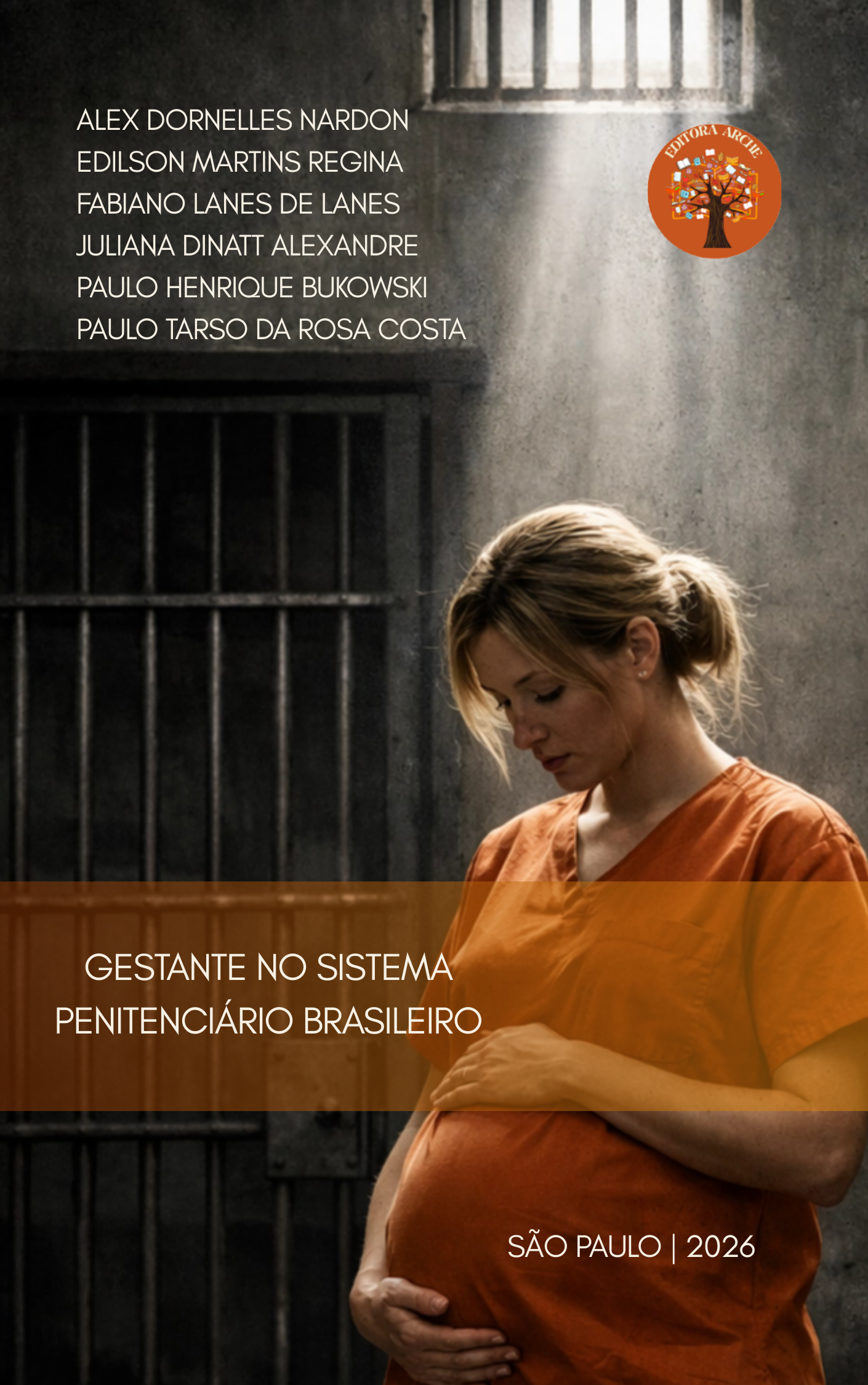
GESTANTE NO SISTEMA PENITENCIÁRIO BRASILEIRO
Palabras clave:
Maternidade no Cárcere. Sistema Carcerário Brasileiro. Prisão.Resumen
Este livro buscou discutir a maternidade dentro do sistema prisional feminino levantando de importantes discussões sobre os direitos básicos das mulheres grávidas e puérperas em detenção. Existem diretrizes estabelecidas para a oferta de cuidados de saúde às mulheres grávidas em prisões. A responsabilidade pela assistência à saúde dessas mulheres recai sobre a gestão prisional. Identificadas 13 diretrizes relacionadas a esse tema. A maioria delas está vinculada a organizações baseadas nos Estados Unidos da América (EUA). A convivência entre gestantes e puérperas no ambiente prisional oferece benefícios importantes, como suporte emocional mútuo e redução da sensação de insegurança. Justifica-se pela relevância de celas especiais para atender às necessidades dessas mulheres. Objetiva-se a implementação de políticas públicas voltadas à saúde materno-infantil é essencial nas instituições prisionais. A metodologia adotada através de uma revisão qualitativa de Literatura, de materiais já elaborados sobre gestantes no sistema carcerário. Os dados deste estudo destacam as condições sociais extremamente precárias enfrentadas por mães que deram à luz enquanto estavam presas. O Brasil ocupa a quarta posição no ranking mundial, com cerca de 30.625 mulheres encarceradas. Observa-se a ausência de discussões aprofundadas e informações suficientes sobre o cumprimento de direitos das mulheres encarceradas nesses períodos de vulnerabilidade. Os institutos da prisão preventiva e domiciliar são amplamente aplicados no Brasil. Problematizar a vivência da maternidade dentro das prisões femininas. As mulheres detentas devem ser tratadas com humanidade e respeito. Ao cumprir sua pena, deve estar apta a reinserir-se na sociedade. O enfrentamento do sistema patriarcal que perpetua violações e ignora particularidades das mulheres encarceradas. Grande parte dessas mulheres ingressa nos sistemas prisionais já grávidas. Contribuir para uma análise mais aprofundada deste contexto e para futuras pesquisas que tragam visibilidade histórica e social às mulheres que permanecem ocultadas e silenciadas pelo sistema prisional.
Descargas
Descargas
Publicado
Cómo citar
Licencia
Atribuição CC BY
