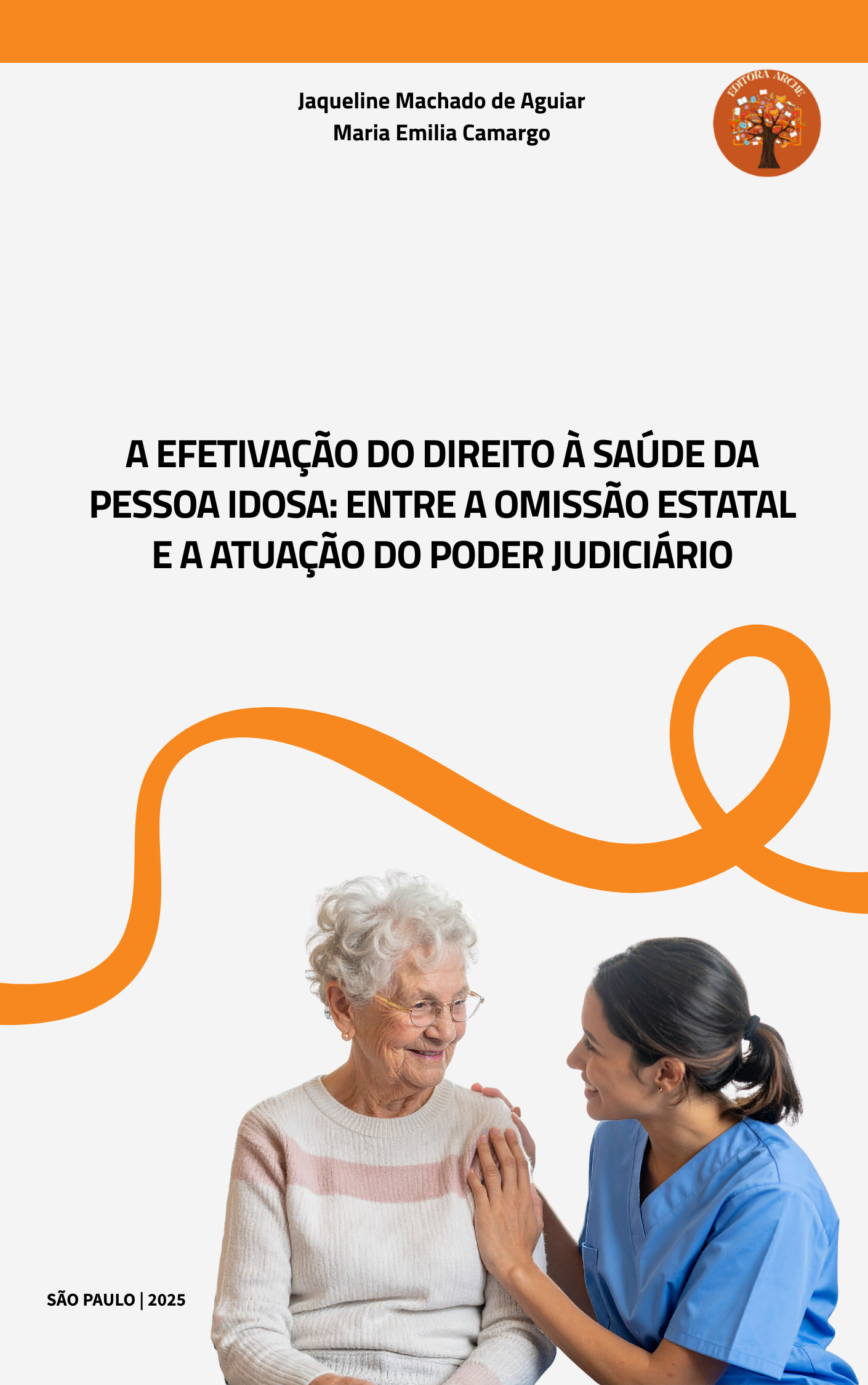
A EFETIVAÇÃO DO DIREITO À SAÚDE DA PESSOA IDOSA: ENTRE A OMISSÃO ESTATAL E A ATUAÇÃO DO PODER JUDICIÁRIO
Palavras-chave:
Direito à Saúde. Pessoa Idosa. Poder Judiciário. Políticas Públicas.Resumo
A promulgação do Estatuto do Idoso, por meio da Lei nº 10.741, em 2003, marcou um importante avanço na consolidação dos direitos das pessoas idosas no Brasil. Esse marco legal foi resultado de um longo processo de debates e da mobilização de diversos setores da sociedade civil, que buscavam soluções mais concretas para os desafios enfrentados por essa parcela da população. Embora a Constituição Federal de 1988 já previsse uma série de direitos voltados à proteção da pessoa idosa, foi com o Estatuto que se estabeleceram mecanismos mais específicos e detalhados, com foco na promoção da dignidade, na melhoria da qualidade de vida e na garantia de inclusão social dos idosos.
Dentre os direitos assegurados, destaca-se o direito à saúde, previsto como um dever prioritário do Estado. A legislação determina que os idosos devem receber atendimento integral, com acesso gratuito a medicamentos de uso contínuo, serviços especializados e até mesmo atendimento domiciliar, quando necessário. Contudo, a efetivação prática dessas garantias permanece comprometida por limitações estruturais e administrativas do sistema público de saúde, marcadas por escassez de recursos, deficiência na fiscalização e ausência de políticas públicas eficientes voltadas a essa parcela da população.
Nesse contexto, o envelhecimento acelerado da sociedade brasileira impõe desafios crescentes à administração pública, que muitas vezes se mostra incapaz de garantir, por vias institucionais, os direitos consagrados na legislação. Essa lacuna na atuação estatal tem contribuído para o fortalecimento do papel do Poder Judiciário como instância decisiva na proteção do direito à saúde dos idosos. A judicialização, nesses casos, não apenas emerge como instrumento de acesso à justiça, mas se consolida como um meio de suprir as omissões do Estado, garantindo o atendimento de demandas urgentes e o respeito à dignidade humana.
Entretanto, esse protagonismo do Judiciário levanta importantes reflexões sobre os limites da separação dos Poderes, a eficácia das políticas públicas e os riscos de desigualdade no acesso aos direitos sociais. Embora muitos avanços tenham sido alcançados por meio de decisões judiciais, a dependência da via judicial para concretização de direitos fundamentais indica uma falência parcial da atuação estatal em sua função originária de executor das políticas públicas.
Diante desse cenário, este estudo visa responder ao seguinte questionamento: Como o Poder Judiciário tem atuado para garantir o direito à saúde da pessoa idosa diante das omissões e falhas do Estado na implementação das diretrizes previstas no Estatuto do Idoso? Busca-se, assim, compreender os limites e possibilidades da judicialização da saúde como mecanismo de efetivação dos direitos fundamentais no Brasil contemporâneo, com ênfase na análise crítica da responsabilidade estatal no cumprimento dessas garantias. Nesse contexto, não é exagero, defender ou levantar-se a hipótese de que a ação do Poder Judiciário se tem mostrado essencial para a efetivação do direito a saúde do idoso, nos casos de omissão estatal.
1.1 OBJETIVOS 1.1.1 Objetivo GeralAnalisar o papel do Poder Judiciário como garantidor do direito à saúde da pessoa idosa frente às falhas ou omissões do Estado na implementação das políticas públicas previstas no Estatuto do Idoso.
1.1.2 Objetivos Específicos- Examinar o contexto jurídico e social que motivou a criação do Estatuto do Idoso, com foco na consolidação do direito à saúde como direito fundamental.
- Identificar as obrigações do Estado no âmbito das políticas públicas de saúde voltadas à população idosa e os principais entraves à sua efetiva implementação.
- Investigar como a atuação do Judiciário tem suprido omissões estatais na concretização do direito à saúde da pessoa idosa, especialmente em decisões que envolvem fornecimento de medicamentos, internações e tratamentos especializados.
- Analisar os limites e possibilidades da judicialização da saúde como mecanismo de efetivação de direitos fundamentais no contexto do envelhecimento populacional.
Downloads
Downloads
Publicado
Licença
Atribuição CC BY
