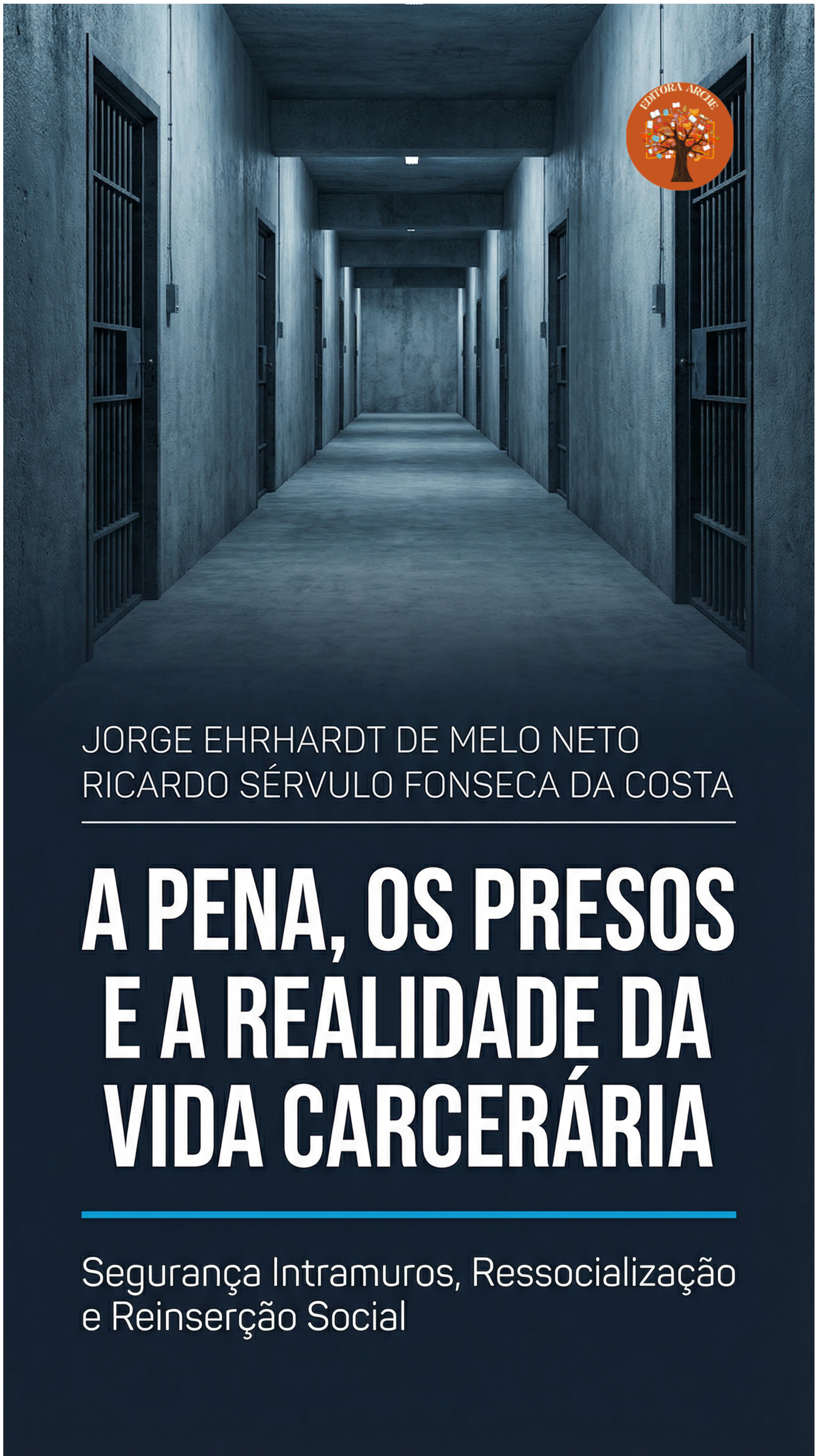
A PENA, OS PRESOS E A REALIDADE DA VIDA CARCERÁRIA: SEGURANÇA INTRAMUROS, RESSOCIALIZAÇÃO E REINSERÇÃO SOCIAL
Palavras-chave:
Pena privativa de liberdade. Crise do sistema punitivo. Ineficácia das prisões.Resumo
O estudo em referência permite explanar a realidade penitenciária brasileira, particularizando o sistema penitenciário no Estado de Pernambuco, um dos assuntos mais questionados atualmente em matéria Penal não somente no Brasil, mas no mundo todo. Objetivo: Realizar uma análise acerca da questão penitenciária brasileira, detalhando o sistema penitenciário do Estado de Pernambuco, realçando a proposta de ressocialização que vem sendo executada na instituição Discussão: Analisam-se os aspectos negativos da pena privativa de liberdade, se a pena está cumprindo a sua função social ou não. A crise do sistema carcerário já não pode ser camuflada pelas autoridades de nosso país. É diante dessa ideia, de total omissão e abandono público, que o estudo se presta a uma análise do problema. Metodologia: A pesquisa empreendida segue natureza qualitativa, com pesquisa do tipo bibliográfica onde foram consultadas doutrinas pertinentes ao tema publicadas em livros, artigos científicos, revistas publicadas, documentos e site oficiais. A justificativa para a escolha do tema paira sobre sua contemporaneidade, bem como na expectativa de contribuir para o âmbito acadêmico. Conclusão: O estudo oportunizou concluir que a Lei de Execução Penal apresenta mecanismos para alcançar a finalidade ressocializadora da pena, porém inviabilizam o processo as unidades prisionais por realidade das más condições físicas e a falta de políticas públicas, representação viva da falta de eficiência e providências governamentais eficazes.
Downloads
Downloads
Publicado
Como Citar
Licença
Atribuição CC BY
